

Special Educational Needs and Disabilities
At King Charles I School we are ambitious for all our students. Through high-quality teaching, targeted support and strong partnerships with families, we strive to ensure that every student with SEND feels valued, included and successful. Our overarching goal is to ensure that all students with SEND thrive academically and reach their potential, preparing them confidently for the next stage of their education and life beyond school.
As part of this commitment to equity, our Special Educational Needs and Disabilities (SEND) team and all of our teaching staff, work hard to ensure any barriers to learning individual students may have are quickly identified and overcome as part of the Assess, Plan, Do, Review Cycle. All of our teaching staff and teaching assistants receive regular training and support to ensure that they are able to deliver lessons to meet the diverse needs of all of our students and foster an inclusive environment where everyone can succeed.
First and foremost, staff are regularly trained to ensure that they employ quality first teaching strategies and best bets for success in the classroom. These strategies are underpinned by educational research worldwide and form the basis of support. Our best bets and quality first teaching strategies are then complimented by the additional support provided by our SEND and pastoral tams. In addition to this, a clear emphasis is put upon the importance of staff knowing their students really well. When staff have a deep understanding of a student’s individual strengths, needs, interests, and learning profile, they are better able to provide the right support, remove barriers to learning, and help each child achieve their full potential. Strong relationships between staff and students foster trust, confidence, and wellbeing, enabling children to feel safe, valued, and understood. By working closely together and maintaining a detailed knowledge of each learner’s needs, our staff ensure that every child receives the personalised support they need to thrive both academically and personally.
In addition to high quality teaching and support within our classrooms, we also have a SEND base known as The Canopy which provides students with additional support beyond the classroom. Included in this provision is our Mainstream Autism Base (MAB) and Language Unit.
The focus of the Canopy is to provide an area to teach and support our students who might not naturally thrive in school by removing barriers to learning through the provision of academic and pastoral interventions in a purposeful, calm and safe area. The Canopy is staffed by trained teachers and support staff who have been hand-picked to ensure that our students who need it the most have access to trained experts who understand them and care deeply about doing everything within their control to support them to thrive. Each of our sites has a Canopy consisting of 4 key areas:
Canopy Engage
For some students who require additional assistance beyond the classroom, we offer targeted support in the form of small group interventions within our Canopy Engage provision. This includes focused sessions to address specific academic or social needs. For example, this may include literacy, numeracy or social skills interventions.
Canopy Calm
Our Canopy Calm area provides a designated quiet space for those students who may sometimes require a quiet and calm working environment beyond our mainstream classrooms.
Canopy Reset
Our Canopy Reset is a designated safe area for students to have the opportunity to resettle themselves for a short time, if very dysregulated.
Canopy Connect
Some of our students with complex SEND needs may require more specialist support as part of our Canopy Connect provision. This may involve multiple interventions and input from external professionals.
In addition to the four areas above, the Canopy also has a designated social area including a kitchen and dining area that students are able to access at break and lunchtimes should they need to. Students are encouraged to eat together and achievement assistants encourage social interaction through activities such as board games.
Meet our Team
King Charles has a SENCO, Deputy SENCO and two Assistant SENCOs as well as many achievement assistants including HLTAs, across both sites to ensure all students with SEND make good progress. We also work closely with our trained School Councillor and Operational Safeguarding Lead to ensure the best possible support for our students. We recognise that parents and carers are key partners in their child’s education. We maintain regular communication through meetings, reviews and ongoing discussions to ensure families are fully involved in decision-making and educational planning. Therefore, if you have any questions or concerns at any time, please make contact with the relevant person below.
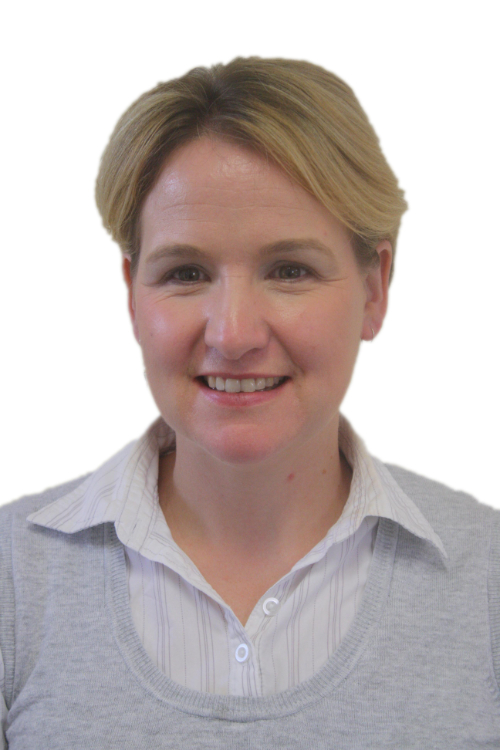
Julie Morgan
SENCO and Assistant Headteacher with responsibility for SEND provision across the whole school

Holly Langford
Deputy SENCO and Head of Canopy
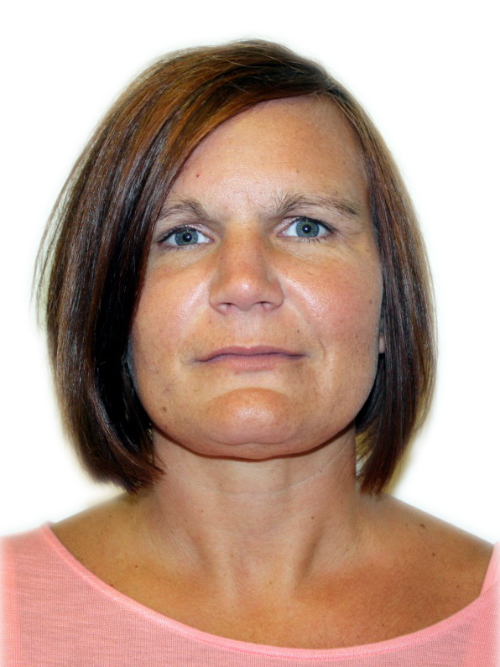
Lyndsey O’Reilly
Assistant SENCO based on the Borrington site with Years 7&8

Jonathan Tidmarsh
Assistant SENCO based on the Hillgrove site with Years 9 to 13
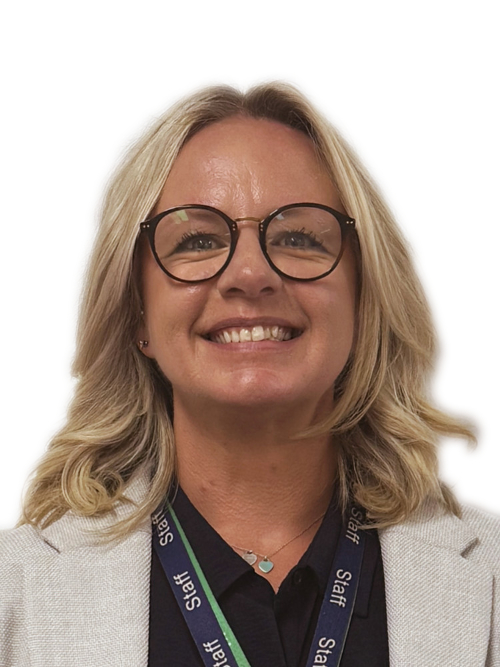
Lindsey Bates
Trained School Councillor
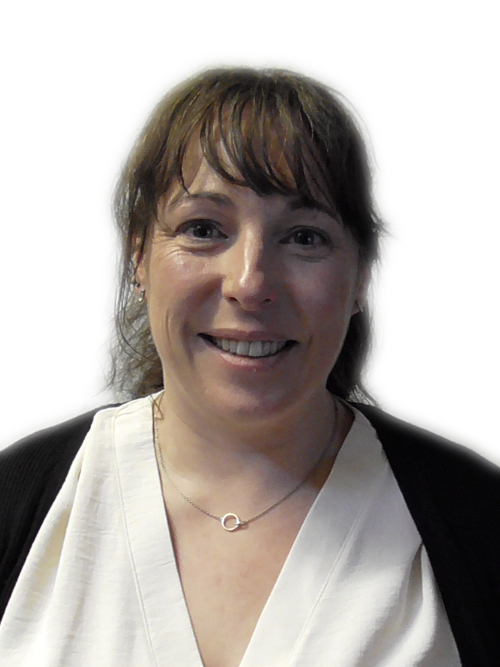
Lindsay Wing
Operational Safeguarding Lead
THE LOCAL OFFER
Our provision for students in school, like all schools in Worcestershire, is based on the suggestions made in the Worcestershire Local Offer, which can be found below. Our interpretation of this offer can be found in our SEND Information Report. These reports are updated annually, so it is important to note that these may change over time.
COMMUNICATION CENTRE
The Communication Centre at King Charles is based on both the Borrington and Hillgrove Sites. Both centres provide effective and incredibly successful working environments, specialist resources and key worker support for students with autism and specific language difficulties.
Each have three classrooms that share a social skills area. The social area is the hub of the centres and students are encouraged to invite mainstream friends in and engage in social activities. Each centre has a number of quiet rooms that students value considerably as they are used for quiet/chill time, students working on their own or for work with visiting professionals. The centres are self-contained having toilets, a kitchen, dining area, an area for students to change for PE, meeting/chill rooms and multimedia rooms.
Our students are very much mainstream students that are provided with support, guidance, extra tuition and nurturing via the base that allows students to reach their full academic and social potential. Inclusiveness is promoted at all levels of the school with all staff and students working collaboratively for the benefit of all students.
The focus is on the individual, enabling appropriately supported participation in the mainstream school according to needs, abilities and strengths. The communication centre prides itself on having a ‘long term vision’ for each student, as a result we see developing independence and increasing confidence as a high priority to allow for smooth transition into further education and indeed adulthood.
Students who are allocated places are expected to work towards attending mainstream classes or at least 80% of their timetable, as our role is to act as a stepping stone into the main body of the school.
Essential elements of the provision are:
- Specialist teaching and support staff to help plan and support the students’ time in mainstream settings and to deliver supplementary programmes of work
- A designated achievement assistant key worker
- Rooms that provide a safe haven away from the pressures of the mainstream
- An autism friendly environment that reduces sensory discomfort
- Bases for individual and small group intervention
- Delivery of a personalised curriculum to meet individual needs
- Access to specialist resources
- Close working relationships with parents
- Training and support for all school staff in areas of autism and speech and language difficulties
- Close links with local authority services to ensure continuity of care and education for all students
In summary, communication centre students thrive at King Charles I School. Key to this is their hard work and endeavour that runs parallel with the bespoke support the communication centre provides to each individual student. This support allows students to access the mainstream teaching environment at the same time as ensuring key skills for life beyond school such as independence, flexibility of mind, confidence and self-esteem are developed.
FREQUENTLY ASKED QUESTIONS
The Worcestershire Local Offer dictates that and child or young person is said to have Special Educational Needs and Disabilities (SEND) if they:
- Have a significantly greater difficulty in learning than the majority of others of the same age.
- Have a disability which prevents or hinders them from making use of educational facilities of a kind generally provided for others of the same age in mainstream school of mainstream post-16 institutions.
The reasons behind the difficulties in learning and disabilities mentioned above are incredibly varied from student to student, but are classed into one of four categories of need. Many students’ needs fit clearly into one of these categories, whilst others’ span across two or more.
- Communication and Interaction
- – Students have difficulty with verbal or non-verbal communication; struggle with interactions with adults and/or their peers; needs such as these may reflect an Autistic Spectrum Condition (ASC). Students may also demonstrate difficulty in the production of speech; finding the correct language to use; understanding language. This is classed as Speech, Language and Communication Need (SLCN).
- Cognition and Learning
- – Students have difficulty with literacy and numeracy, or have levels of attainment significantly below age-related expectations. Some students have specific learning difficulties (SpLD), such as Dyscalculia, Dysgraphia, Dyslexia and Dyspraxia. Where difficulties are more general, known as global, conditions are classified as: Moderate Learning Difficulties (MLD) – students require support outside of the national curriculum. Severe Learning Difficulties (SLD) – students often require substantial support in all areas of a highly tailored curriculum. Profound and Multiple Learning Difficulty (PMLD) – students likely have several disabilities, with significant impacts on learning and independence.
- Social, Emotional and Mental Health
- – Students may show signs of withdrawal and wanting to be alone, or signs of hyperactivity and inattention. Conditions here include Anxiety and ADHD.
- Sensory and Physical
- – Students with difficulties in hearing, vision or movement who require modifications to the school environment.
The Local Offer is a reference point for all Worcestershire schools to work from, in terms of their provision and services for students with SEND. It sets out the “Assess, Plan, Do, Review” process, explained below, which is used to provide and adapt support for students.
Assess, Plan, Do, Review
The Assess, Plan, Do, Review approach is aimed at finding the appropriate support for students. If after one, or several cycles of support the students’ needs are not met then the support should be changed. This is known as the Graduated Response.
Graduated Response
A student’s needs can be raised via school staff, parents, or external agencies. The referring party will communicate with the SENCo, who will then liaise with other stakeholders to discuss the support needed by the student, to begin the APDR process.
This varies significantly based upon the specific needs of the student, which are likely dictated by any diagnoses they have. Support is tiered to find the appropriate level of support for the student.
Tier 1 – This support is available to all students in school but can be adapted with what are called “reasonable adjustments” where students need. Support at this level is termed “Quality First Teaching”, something we believe has huge power at Haybridge. Our teaching and learning model is very much based on strategies which are research-backed as accessible and beneficial to all students, especially those with additional learning needs.
Tier 2 – Where Tier 1 support does not overcome the barriers to learning a student is experiencing they may need some additional supports put in place. At King Charles I School, we do not believe that removal from the mainstream classroom is a solution to difficulties in learning. We therefore endeavour to provide supportive interventions (such as the Lexia and Thinking Reading literacy programmes) outside of lesson time as much as possible.
Tier 3 – Students may need further support from external agencies which school and parents can refer to. The suggestions from these agencies can then be put in place at in school and/or at home.
Quality First Teaching (QFT) is this suggestion of various strategies to be used in the classroom which are both good practice for all learners, but of particular support to students with additional needs. Below are some of the strands of QFT which make up the teaching and learning model at TDMS.
Chunking – content is presented in small chunks, rather than large concepts, in order to reduce the load on working memory.
Scaffolding – this chunking of work enables students to gradually build towards the bigger picture. As such, rather than differentiating the work downwards, which would suggest a lack of ambition for some, we work to build everyone up to the end goal.
Modelling – before setting off on a task, students will often be shown what a correct attempt at the work looks like. This will come from the teacher or a fellow student.
Learning laps – whilst students are working, teachers will lap the room to assess and correct students’ work, to address any misconceptions before they become engrained, or to provide additional scaffolds to individuals.
Cold Calling – this opposes the traditional “hands up if you know the answer” approach to questioning a class. Questions will be posed to an entire class of students, with the answer then being requested from an individual. This aims to encourage all students to engage in thought around the question before they know who will answer.
Turn & Talk – before answering questions students will often be given the chance to discuss their thoughts on a question with peers before a student is selected to respond.
Instructions – where students need to work with a set of instructions, these will remain visible throughout tasks, in order to ease working memory load.
Cognitive load – staff have worked through training on Cognitive Load Theory in recent years. The principles of this theory work to ease the stress on the working memory when learning a new concept. Much of our behavioural expectations work to this theory too.
Reading habits – whenever students read as a class, they are encouraged to track the text with a ruler, line by line. New language and difficult pronunciations are discussed prior to reading the passage.
Key terms – All classrooms have key terms for the lesson sectioned out on the whiteboard at the front of the room. Students will access these reminders when aiming to engage with the new language their lesson reveals.
The presentation of dyslexia can vary significantly from person to person. In short, it is suggested by weaknesses in certain areas, often literacy and numeracy, alongside strengths in others. It is therefore often said that dyslexic students present with a “spikey” academic profile. Please follow the link here to see some typical presentations of secondary age dyslexic students.
Much of the recommended support for students with dyslexia, or traits of dyslexia, are covered by our normal classroom practices at King Charles I School, and can be classed under the umbrella of “Quality First Teaching”.
On top of this, some dyslexic students benefit from varying the colour of work presented to them. As such, coloured overlays, exercise books and printouts are available to students who need them. In a similar regard, lessons are often presented on off-white backgrounds in order to ease visual stress.
Diagnosis of dyslexia necessitates the input of specialist staff. In order to accurately refer students for such assessments we will first seek the input of teaching staff and parents/carers. Should these raise an appropriate concern we will access a screening software, which can indicate the likelihood of dyslexia being present. Should this present a significant concern, we will raise the student to the Learning Support Team at Chadsgrove School for an investigative assessment.
ADHD (Attention Deficit Hyperactivity Disorder) makes it difficult for children to sustain attention, sit still, follow directions, and to control impulses. As such students with ADHD find classroom-based learning difficult at times.
For more information on ADHD, please follow this link.
We work hard at King Charles I School to ensure that our classrooms are as distraction free as possible, in order to support students with ADHD in maintaining their attention. Staff are also acutely aware of the need to draw students’ attention when it has wavered. They will do so during learning laps as students are working, but also on transitions between task types (from independent work to teacher talk for example) in order to ensure that students focussed on their learning. Students also often find it beneficial to select their seating location in the classroom which we are happy to accommodate.
ADHD is a medical diagnosis, and as such must process through the NHS. School do however have an important role to play in the diagnostic process, as difficulty must be present at home and at school for the diagnosis to proceed. School will happily collect feedback from staff to complete the relevant referral forms. These forms vary from borough to borough, which you can find below:
Autism cannot be identified as a singular presentation, and therefore is considered present on a spectrum from low to highly significant. Individuals with ASC find it very difficult to communicate and interact with the world. Some typical autistic difficulties include communication challenges; repetitive behaviours; oversensitivity; highly focussed hobbies; often associated with significant anxiety. For more information, please read on here.
We design our classrooms around consistency in presentation, expectation and experience at King Charles I School. We find that this predictability goes a long way to ease the anxiety that new environments can bring on for individuals with ASC. These expectations also result in very low arousal classrooms as students are well used to the norms we teach them and are therefore rarely faced with unexpected experiences.
The diagnosis of ASC must be done by specially trained staff. In Worcestershire this falls under the remit of the Umbrella Pathway. School have a significant role to play in this referral process, the form for which can be found here.
Support for SLCN is provided through the local NHS services.
Please contact us at SEND@kingcharles1.worcs.sch.uk and we will point you in the right direction.
Our Achievement Assistants are spread across Key Stages 3 and 4, and act as an additional (on top of the Form Tutor) point of contact for students and parents. The Communication Centre is a quiet area in the school within which the Achievement Assistants are based. Students most often access the The Communication Centre during free time before, during or after school, in order to access some one-to-one emotional support, a small social group activity such as Lego club, or simply to complete some homework with support.
Exam access arrangements are overseen by the Joint Council for Qualifications (JCQ) who set our rigorous guidelines for these. More often than not any provisions and adjustments made to examinations are at the behest of a diagnosing professional, and are therefore supported by a letter from them. To further support these recommendations, we have processes in place in school to confirm or counter the need for these arrangements, through the use of external assessors. It is important to remember that much of the ruling around exam access necessitates there to be evidence of any adjustments being the “normal way of working” for students, and therefore often cannot be administered last minute.
Some of the exam access provisions we have in place for students are:
- Preferred seating in the exam rooms.
- Coloured exam papers
- Larger exam papers
- Additional time to complete exam papers/non-examined assessment
- Reading pens
- Small group rooms (please note, medical referrals often refer to these as “separate rooms”. This is to be interpreted as “separate from most” not “separate from all”).
Of course!
Please contact SEND@kingcharles1.worcs.sch.uk and we will arrange a call or meeting with you to discuss what provisions we have in place to support your child on transition.
We aim to be as inclusive as possible and as such openly welcome applications from families with students with an EHCP. It is important to note though that the special provisions dictated in an EHCP can sometimes be more specialist than we can reasonably provide. As such, we would welcome communication with the SENCo before an application is made.